





Jute ropes: What are their advantages and disadvantages?
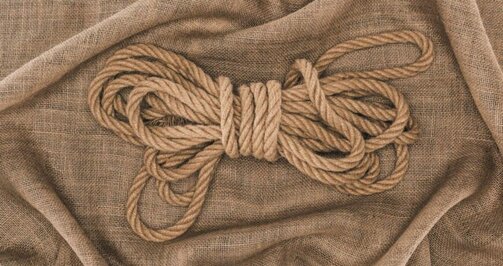
Jute ropes are very popular, not only because of their natural origin, but also thanks to their versatility and environmental benefits. They are used in various areas, from agriculture to interior design. In this article, we will look at their properties, advantages, disadvantages, and compare them with ropes made from other materials.
Jute ropes are very popular, not only because of their natural origin, but also thanks to their versatility and eco-friendly benefits. They are used in various fields, from agriculture to interior design. In this article, we’ll look at their properties, advantages, disadvantages, and compare them with ropes made from other materials.
What is a jute rope?
Jute ropes are made from the jute plant, which is considered one of the more sustainable natural fibers. Jute is a fast-growing crop that doesn’t require large amounts of fertilizer or pesticides, making it an environmentally friendly choice. The fibers are obtained from the plant’s bark, dried, spun, and finally braided into rope.
Main advantages of jute rope:
- Eco-friendly – It is 100% biodegradable, which means it doesn’t burden the environment.
- Strength and durability – Although it isn’t the strongest rope in the world, for everyday use it offers sufficient strength.
- Good grip – The rougher surface provides a better hold, which is helpful when tying knots.
- Natural look – Great for decorations, rustic interiors, or DIY projects.
Disadvantages of jute rope:
- Sensitivity to moisture – In humid environments, jute rope “works.” When it absorbs water, it increases in volume. After drying, it shrinks again, sometimes even more than before.
- Limited flexibility – Over time it can harden and lose its elasticity.
- Lower load capacity compared to synthetic ropes – Not suitable for extreme loads or climbing activities.
- Distinct smell – Natural ropes have a natural smell similar to hay. However, it fades over time.
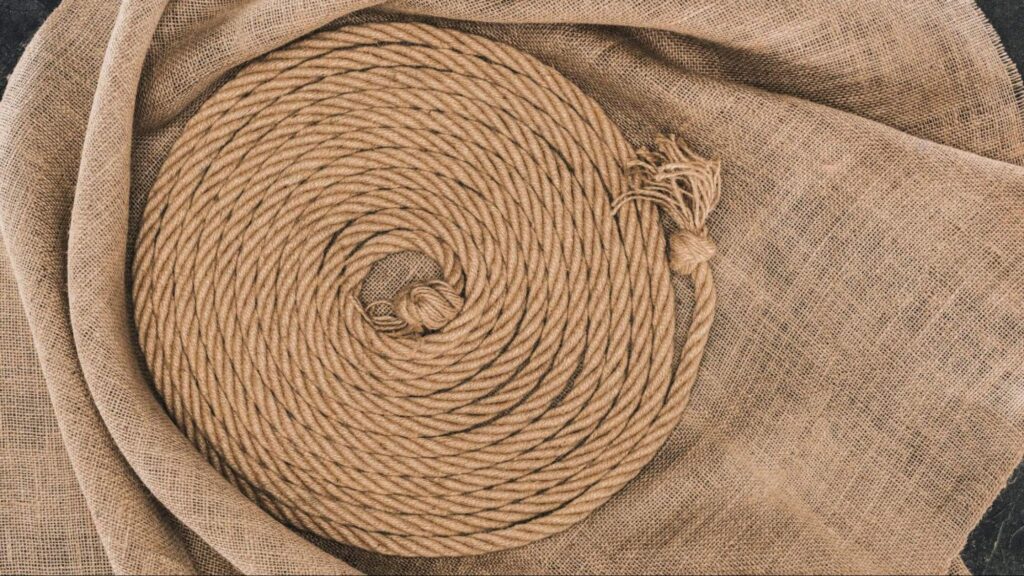
Where is jute rope used?
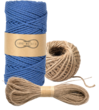
Jute ropes are perfect for decorative purposes. They can be used to create rustic decorations and arrangements. Combined with jute strings and macramé, they are very popular for DIY projects or décor.
In addition, jute ropes are also used in gardening. They are gentle on plants and break down easily, making them suitable for temporary tying.
You can also use them at home for small repairs, packaging, or simple tying. They are also used to make cat scratching posts or dog toys because they are safe and natural.
When is it better to choose a different rope?
- For marine activities – Polypropylene ropes resist water and float, which is useful for boating and maritime use.
- Climbing and extreme sports – Nylon ropes provide maximum strength and elasticity.
- Heavy loads – Synthetic ropes can withstand higher tension and are more resistant to abrasion.
Conclusion
Jute ropes are a great choice for those looking for an eco-friendly, aesthetic, and functional solution for everyday use. While they don’t have the same durability as synthetic ropes, their natural origin and environmental friendliness make them ideal for many applications.
If you want to extend the lifespan of jute rope, store it in a dry place and protect it from long-term exposure to moisture. If it gets wet, let it dry thoroughly in the air (not in direct sunlight).
If you’re deciding between different types of ropes, consider what you want to use them for. Jute rope never disappoints when it comes to style, sustainability, and simplicity.


Add reply to comment: